“Coupon Book” Card Marketing

In recent investor relations reporting, issuers shared the success of refreshed premium cards measured by ownership and spend volume. The targeting of qualified Gen Z prospects is successful for many reasons beyond earning and spending power. Gen Z deliberately keeps slimmer portfolios, managing fewer open lines of credit versus older cardholders. In fact, only 29% of Gen Z and 49% of millennials own three or more credit cards, which helps premium cards stay top-of-wallet.
Although Gen Zers are responsive to premium cards, various earning reports indicate that that they are also value-focused and eager to “do the math.” To help justify steep annual fees, portfolio managers have focused on encouraging premium cardholders to take advantage of a barrage of statement credits, now often referred to as the new “coupon book.” When these perks go unused, however, cardholders may experience greater remorse, which could in turn drive card attrition.
“Coupon Book” Marketing Defined
NerdWallet explains “coupon book” marketing as a concept tied to how issuers shifted premium and travel rewards cards away from broad perks to more piecemeal offers. These offers now include recurring statement credits (either monthly, quarterly, or yearly) for specific lifestyle brands, dining, streaming, and retail providers.
Strategically Designed to Enhance Card Value
Perhaps Mathew Goldman, CEO and founder of Totavi, a financial consultancy firm, said it best when describing the current proliferation of statement credits as creating an “arms race of extra things to add on.” Stacking statement credits has become the norm and factor heavily into an issuer’s fee rationalization strategy. The higher the fee, the more value-added extras are included and promoted.
Fact: Amex leads with the most complex coupon book compared to more moderate and manageable offerings of Chase and Citi.
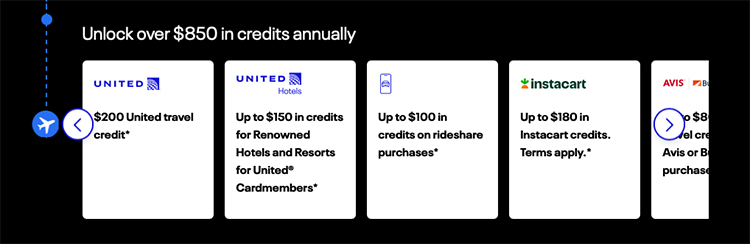
Issuers also make sure to tout their fee/credit relationship. For example: Chase’s United Quest card has an $895 annual fee. Their acquisition marketing proactively includes the “Unlock over $850 in credits annually” value right in line with the card’s annual fee.
Issuers have historically counted on breakage, since a significant share of cardmembers earn rewards but never redeem them. Cardholders forget about time-sensitive offers, make purchases that don’t qualify, or miss the promotion window. With statement credits, however, breakage can hurt retention, because cardholders see no value in benefits they never use.
Coupon marketing, and activation in particular, is in the issuer’s best interest. Engagement builds card preference, increases spend, and, most importantly, strengthens retention: satisfied cardholders who “do the math” see that the card’s value outweighs its cost.
Cardholders Are Evolving (with a little help from their friends)
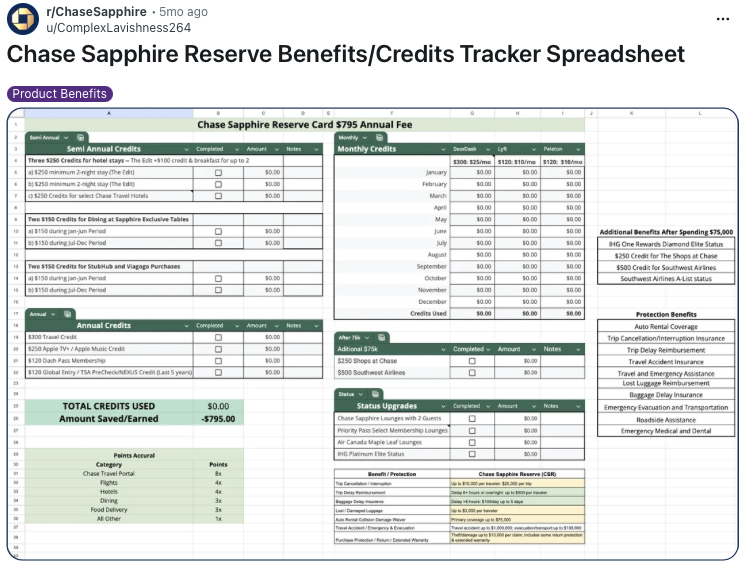
Gen Z cardholders new to premium cards have no shortage of advice on getting the most annual value from statement credits. The guidance covers tracking spending, being realistic about what they’d spend anyway versus what a credit pushes them to spend, and using a spreadsheet to weigh their savings against the card’s high annual fee.
Credit card discussion boards and affiliate sites share tactics and tools that help cardholders justify owning a premium card and put its benefits to use.
For Example: There is a subreddit page dedicated to Chase Sapphire (not sponsored by Chase). This site is an active source of discussion, peer-to-peer education and DIY spreadsheets customized and shared by the creators.
Who Else is Providing Educational Content
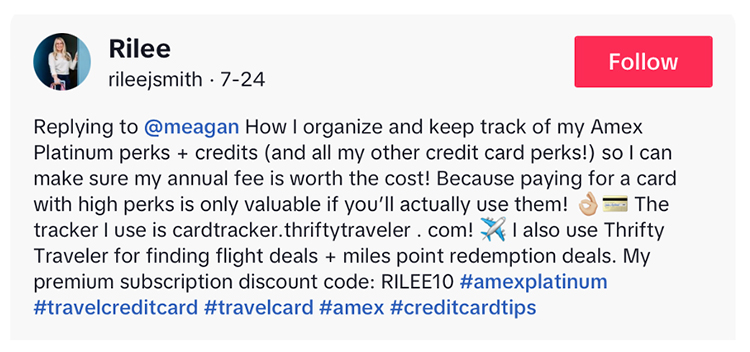
Influencers educate the less informed on just how to do the math. Rilee Smith, a TikTok creator with 451k followers, endorses and shares her preferred spread sheet:
Industry SMEs are onboard with the fee rationalization trend The Points Guy steers cardholders to use the TickTick app for making a statement credit to-do list and setting reminders before credits expire. Several TPG editors shared an array of tips and tricks about their personal card management habits and preferred apps.
Fee-based advisory services are emerging and clearly catering to the Gen Z premium cardholder segment. The services feature sleek online tools and customized actions to take in order to salvage the situation including how and when to ask for a retention offer.
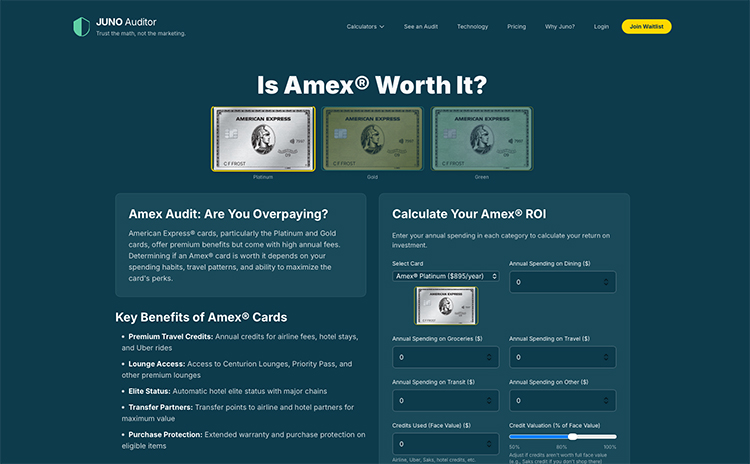
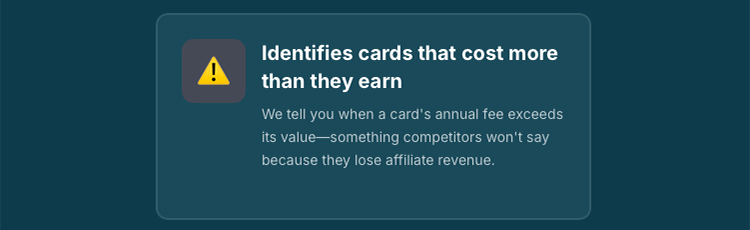
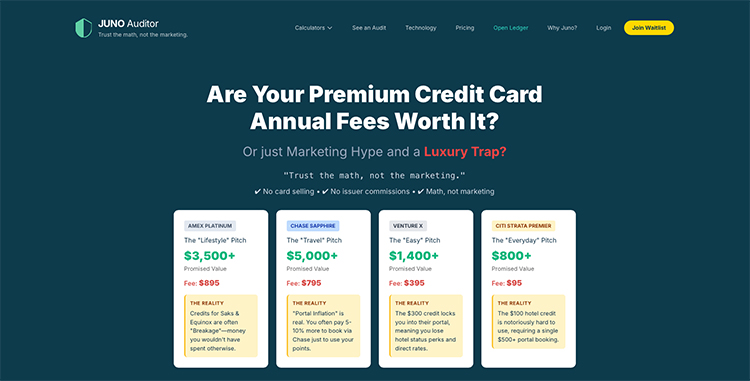
For example: Juno Auditor – with the provocative tagline “Trust the math, not the marketing” – is a new service that focuses on high-fee premium cards calling out their promised value and educating cardholders on “the reality.” Did we mention there’s a waitlist to enroll…
What’s the “Coupon Book” Marketer to Do?
Certainly, many premium Gen Z cardholders will give their new cards high marks. However, coupon book marketing may benefit from adjustments strategically with the combined power of education, promotion, and communications. Here’s how:
- Start by understanding the cardholder mindsets and the motivation for leveraging payment tactics such as the “two card rule” or rigorously using trackers and spreadsheets. The new premium cardholder has a unique perspective and a set of expectations different from other generations.
- Customize “coupons” to subsegments. Urban cardholders will have an easier time taking advantage of more statement credits. But the question then becomes: are there additional ways to add more relevant statement credit offers – online or geo-targeted — for cardholders residing in smaller markets? Some issuers offer smaller earning opportunities – referred to as microcredits – filling the need gap with straightforward, easy to earn and use value.
- Continually educate cardholders. The subreddit activity for Amex Platinum, for example, shows signs of cardholders unaware of the full features and capabilities of the card portal related to tracking. Dedicate communications using explainer videos with clear messaging about program nuances.
- Audit and adjust EMOB and lifecycle communications roadmaps — look to overlay messaging and dedicate communication touchpoints about the managing the statement credit coupon book and how some cardholders are leaving value on the table:
- Analyze ongoing cardholder touchpoints and build in reinforcement communications to the low-engaged subsegment
- Deploy trigger-based communications – cardholder behaviors can prompt communications in real time e.g., push offer enrollment then follow-up with a reminder of quarterly expiration or use “almost there” reminders
- Use DM, EM, online account or in-app messaging flagging statement credit opportunities, pushing to make the deadline
- Audit messaging and look for gaps. Develop messaging to convey card value reinforcing how issuer and cardmember share the same card value goals. Audit your competitors to help establish your brand’s differentiated messaging.
- An example of cardholder-to-cardholder discussions shows the widespread use of the “coupon books” by consumers and, at scale, may provide directional cardholder insights:
“Amex is peddling coupons at no cost to them and selling you on the idea that it's a bargain. It's a good way for them to make money. I'll give them that. It's not a good deal for me because those aren't places that I normally shop. For someone who already does those things it could be of some value. The people who lose are those who don't normally shop there but get the card anyway because it makes them feel important and end up spending more money because of the coupons.”
- Consider partnerships with third parties. In addition to promoting issuer capabilities, vet, promote, and discount tools like AwardWallet and Todoist for recurring notifications and reminders.
- Be attrition vigilant not only by using anti-attrition models but also identifying and quickly responding with proactive retention offers, rate sales, “surprise and delight” offers and other retention tactics, especially those tied to annual fee renewal.
As the portfolio gains tenure, there will certainly be cardholders who realize a high fee; premium card is just not a good fit. For that segment, proactively reach out and downsell the at-risk cardholder instead of allowing them to abandon your brand. Make it easy, give them a great offer to assuage any pain and leave them feeling good not only about the band but also about themselves.