

Trends in Credit Card Acquisition
Behind the credit card growth are strategies ranging from the tried and true to emerging trends in successfully acquiring cardholders and attracting new audiences.

Behind the credit card growth are strategies ranging from the tried and true to emerging trends in successfully acquiring cardholders and attracting new audiences.

The credit card market is facing a paradox. Nearly half of U.S. consumers doubt they'd be approved for a new credit card—even as card applications hit their highest levels since pre-pandemic times. This disconnect between perception and reality, combined with shifting usage patterns across generations and risk tiers, requires a fundamental rethink of acquisition strategies.

Think of agentic commerce as having a super-smart personal shopper that never sleeps. These AI agents can learn a user's needs, preferences, budget, past purchase history, and then go out and do all the heavy lifting. This ranges from searching across various online marketplaces, evaluating products, reading reviews, comparing specifications, and even negotiating with sellers to secure the best possible price.

For financial services brands, it's not enough to simply have influencer representation. To be competitive, FS brands need to do it *and* do it right, with an informed, strategic approach.

In a fiercely competitive credit card market, the true prize is not merely customer acquisition - it's achieving the coveted "top-of-wallet" (TOW) status. New research reveals just how crucial this position has become for issuer revenue and provides actionable insights for financial services teams looking to elevate their card acquisition and engagement strategies.

The Media Logic Financial Services blog regularly features content on understanding generational cohorts: Millennials, Gen Z, and Alphas. Although Boomers are less frequently our primary focus, our Healthcare Industry blog is rich with Medicare marketing and senior content.
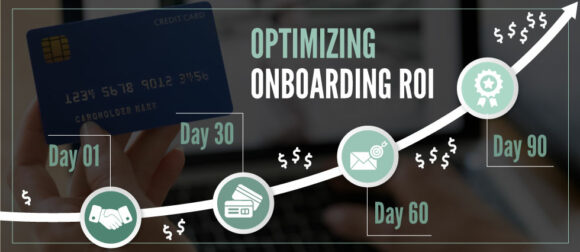
Banks and credit unions make considerable investments in acquisition – often spending anywhere from $200/$300 to $1000 or more per new accountholder. Without the right nurturing of those customers, many could slip away before even developing a relationship.
Our latest infographic shows why EMOB marketing works. Let it inspire and motivate you to push five key activities with cardholders in their first 90 days!

Throughout 2024, we explored topics ranging from emerging payment trends to audience segmentation strategies, offering insights to help financial brands navigate an increasingly competitive landscape. Here's a look at the top 10 articles from this year, covering key themes and takeaways that shaped financial marketing in 2024.

Customer communications for Instant Digital Issuance (IDI) can boost engagement and spend! Our card marketing experts have assembled an IDI overview with definitions and best practices, including examples from Chase, SoFi, Venmo, Affirm, Bank of America and Chime.