

Trends in Credit Card Acquisition
Behind the credit card growth are strategies ranging from the tried and true to emerging trends in successfully acquiring cardholders and attracting new audiences.

Behind the credit card growth are strategies ranging from the tried and true to emerging trends in successfully acquiring cardholders and attracting new audiences.

Buy Now, Pay Later (BNPL) is no longer a novelty reserved for sneaker drops and flat-screen TVs. It has quietly become a household budgeting tool, woven into how consumers pay for groceries, utility bills, subscription services, and travel. That shift has profound implications for banks, credit unions, payment issuers, and fintechs — not just in product strategy, but in how marketing teams attract, retain, and engage customers.

Super Bowl LX drew 125M+ viewers and record-breaking ad prices, with financial services brands going big. The dominant theme was "AI is the new crypto", while others leaned on humor and humanity. Our takeaway: the strongest ads paired entertainment with a clear product message.
Nearly 25 million U.S. households remain unbanked or underbanked, representing a significant market opportunity for financial institutions willing to address the unique barriers these digitally engaged, financially active consumers face. Success requires more than marketing messaging—it demands transparent products, no-fee accounts, community partnerships, and actionable strategies that rebuild trust with populations disproportionately affected by traditional banking exclusion.
Explore Media Logic's top financial services marketing blog posts of 2025, including valuable commentary by group director, Nicole Johnson.

In this intriging Q&A session, Media Logic's resident expert, Nicole Johnson, Group Director and FS Practice Lead, shares her perspective on the Lower Midde Market segment honed by decades of commercial payments and retail banking marketing experience.
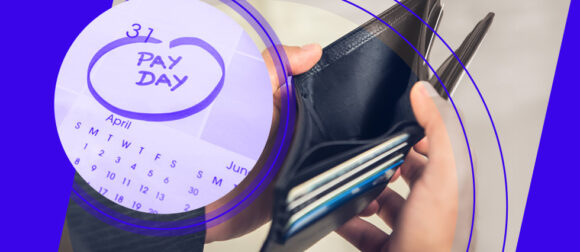
American consumers are currently facing a dramatic financial landscape. With recent data indicating that 70% of U.S. consumers face difficulty paying monthly bills, economic fragility is increasing (PYMNTS). As we approach the end of 2025, this increasing trend has many wallets taught, and the implications for financial services marketers are becoming clearer.

Despite being labeled as "digital natives," Millennials are increasingly seeking a return to physical, analog experiences- a cultural shift that has significant implications for financial services marketing.

The credit card market is facing a paradox. Nearly half of U.S. consumers doubt they'd be approved for a new credit card—even as card applications hit their highest levels since pre-pandemic times. This disconnect between perception and reality, combined with shifting usage patterns across generations and risk tiers, requires a fundamental rethink of acquisition strategies.

The days of developing "one-size-fits-all" payment strategies are over. New data from PYMNTS Intelligence reveals that consumer payment preferences vary dramatically by channel, with debit cards dominating most in-store transactions, while credit cards and digital wallets rule online purchases.